Search

Articles archive

Wildactionsplash publishes articles on topics like lifting technique (squatbench, and deadlift), body composition and hypertrophyprogrammingnutritionprehab and rehab, and cardio.

Don’t know where to start? Check out our Complete Strength Training Guide or the How to SquatHow to Bench, and How to Deadlift guides.

If you like our articles, make sure to join 200,000 others who receive the newsletter. You’ll be the first to know about new articles and guides.

More Training, More Gaining: Everything You Need to Know About Training Volume

Behold: the most in-depth resource on training volume anywhere on the internet. The most big-picture summary of the article is that higher training volumes tend to facilitate more muscle growth and larger strength gains. But, it also explores many rabbit holes: muscle swelling, sarcoplasmic hypertrophy, bioenergetic constraints, epistemology, volume cycling, formal logic, shitposting with a purpose, and so much more.

Rough Heuristics for Interpreting Strength and Hypertrophy Effect Sizes

Struggling to understand effect sizes in strength and hypertrophy meta-analyses? This article provides a practical guide for translating them into easy-to-grasp percentage changes in muscle growth and strength gains. Finally, decipher what those research findings truly mean for your training results with simple conversion tables and real-world examples.

Protein Science Updated: Why It’s Time to Move Beyond the “1.6-2.2g/kg” Rule

The recommendation that lifters should aim to consume “1.6-2.2g/kg” of protein is almost universally taken to be an unquestionable truth. You probably don’t need to exceed 1.6g/kg in the first place, and if you do exceed 2.2g/kg, you’ll definitely just waste the extra protein you consume – it certainly won’t contribute to further muscle growth. However, a closer look at the meta-analysis that generated this recommendation suggests that we probably shouldn’t have been quite so confident that protein intakes within this range will maximize muscle growth. When you dive deep into the protein research, it looks like slightly higher intakes may be necessary to max out your gains.

Strength Data Don’t Tell You Much About Hypertrophy

The idea that you can make reliable inferences about hypertrophy from strength data is becoming increasingly common. Even worse, the idea that strength data is even better than hypertrophy data for making inferences about hypertrophy is becoming increasingly common. In this article, I explain why strength data is less informative about hypertrophy than hypertrophy data is.

When to Use Specific Progressive Overload Strategies

When to Use Specific Progressive Overload Strategies

A previous study found that progressing load lifted or reps led to similar increases in strength and muscle size. A new study made the same comparison, but did they find the same results? This article discusses the new study and when to use specific progressive overload strategies.

When Should I Consider Taking a New Supplement?

When Should You Consider Taking a New Supplement?

While most new supplements released to the market don’t pan out as effective, some do. So, if preliminary data supports the potential efficacy of a new supplement, why not try it out? The only potential downside of trying a new supplement is wasted money, right? Not so fast.

The Pros and Cons of Caffeine

Caffeine can give a boost of energy and acutely improve performance, but concerns about potential downsides (such as sleep disruption or heart issues) are common. This article discusses both the pros and the cons of caffeine consumption.

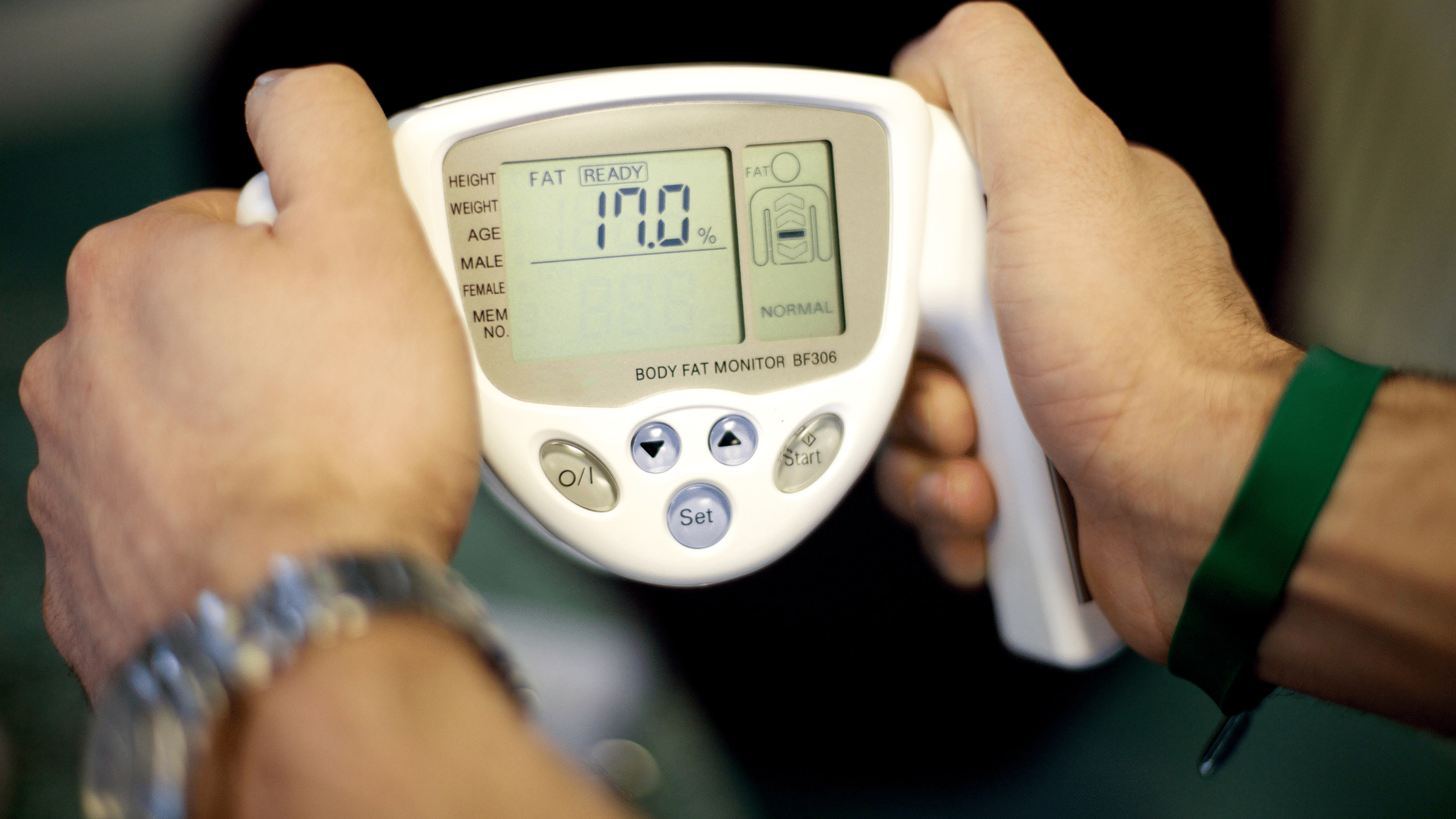
Can You Get to 10% Body-Fat in Eight Weeks?

The majority of goals I get asked about identify a specific body-fat percentage as the target and set a specific deadline for goal completion. In this article, I explain why I think both strategies are typically suboptimal and propose an alternative approach.

How Many Reps Can People Really Do at Specific 1RM Percentages?

People are starting to favor autoregulated load prescriptions now that the limitations of the classic percentage-based loading charts are well known. However, a meta-regression updated these loading charts, so this article discusses whether percentage-based prescriptions are worth revisiting.

Scroll to Top